
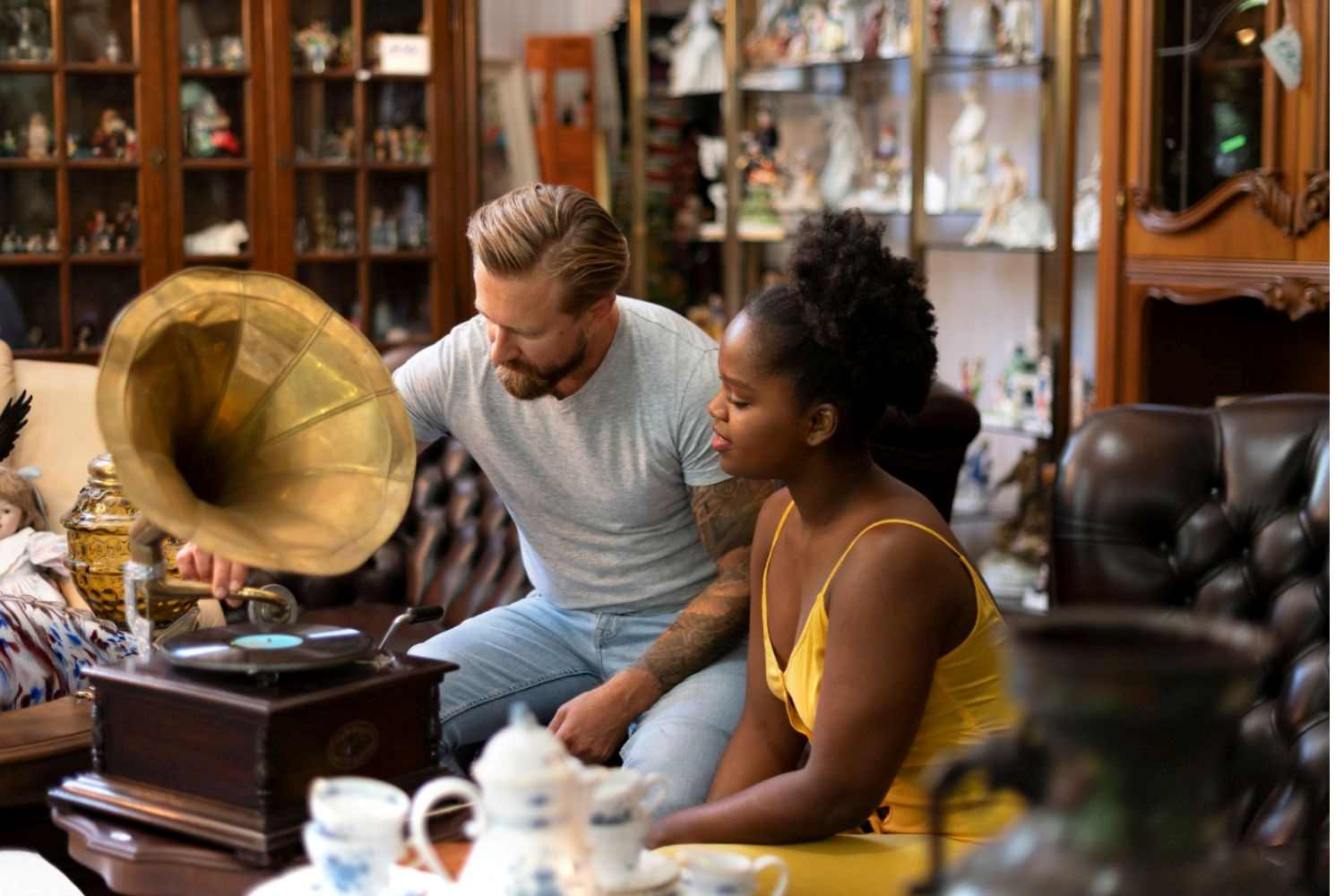
You open an old cedar chest and find your grandmother’s wedding dress, a faded family portrait and a small pocket watch that once belonged to your grandfather. In a moment, those objects bring back stories, laughter and a sense of connection to the people who came before you. Their emotional value may be far greater than anything listed on a bank statement, but that does not mean protecting them has to be complicated. A few steady habits can help preserve treasured belongings for your family and future generations.
1. Create a clear record of what you own
Start by photographing each valuable item from several angles, including close-ups of signatures, maker’s marks, serial numbers or existing damage. Write down important details such as the material, dimensions, age, original owner and how the item came into your family. Keep receipts, appraisal documents, certificates and old letters connected to the piece. Store digital copies in secure cloud storage and keep printed copies in a separate home file. If an item is stolen, damaged or lost in a disaster, this documentation can help establish ownership, condition and value.
2. Understand its condition and current value
You do not need to be an expert to notice common warning signs such as cracks, loose frames, fading, rust, mold or fabric damage. However, items with significant financial value should be examined by a qualified appraiser or conservator. Choose someone experienced with the type of property you own, whether it is artwork, jewelry, furniture, coins or historical memorabilia. Because market values can change, ask how often the appraisal should be updated. Sentimental value cannot be replaced, but an accurate valuation is important for insurance, estate planning and restoration decisions.
3. Protect items from light, heat and moisture
Sunlight, humidity and temperature changes can gradually damage paper, photographs, textiles, wood and paintings. Keep valuable pieces away from direct windows, fireplaces, heating vents and damp basements. Use sturdy picture hooks, secure shelves and stable display stands so items are less likely to fall. Before handling delicate objects, wash and dry your hands or use appropriate gloves. Always lift an item from its strongest area rather than pulling it by a fragile handle, loose frame or weakened edge.
4. Use proper storage and display methods
Items that are not regularly displayed should be stored in a clean, dry location above floor level, especially in areas where flooding or plumbing leaks are possible. Use acid-free tissue, archival boxes and padded supports for delicate papers, clothing and ceramics. Avoid wrapping valuables in materials that trap moisture for long periods. Small objects may be safer inside a locked display cabinet, particularly in homes with young children or pets. Good placement allows you to enjoy your family treasures while reducing the chance of accidental damage.
5. Review your homeowners insurance
Standard homeowners or renters insurance may place coverage limits on jewelry, fine art, antiques, collectibles and other high-value property. Review your policy with an insurance professional and ask whether scheduled personal property coverage, an endorsement or a separate valuables policy may be appropriate. Confirm which risks are covered, whether there is a deductible and how losses are valued during a claim. Insurance cannot replace the memories attached to an heirloom, but it can reduce the financial burden of restoration or replacement.
Protecting meaningful belongings is not a one-time project. Begin by documenting a few important items, checking where they are stored and reviewing whether your insurance reflects their current value. These simple steps can help preserve both the object and the family story behind it.